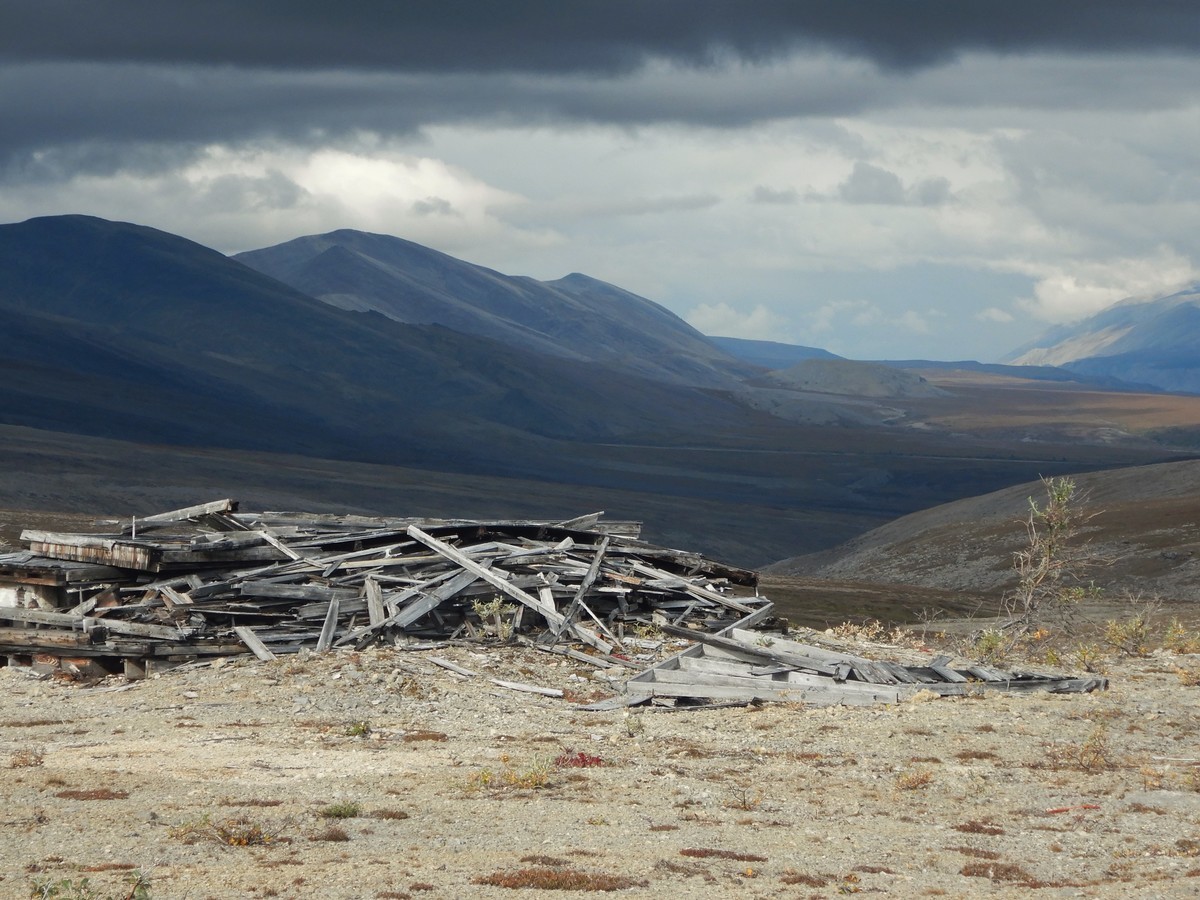
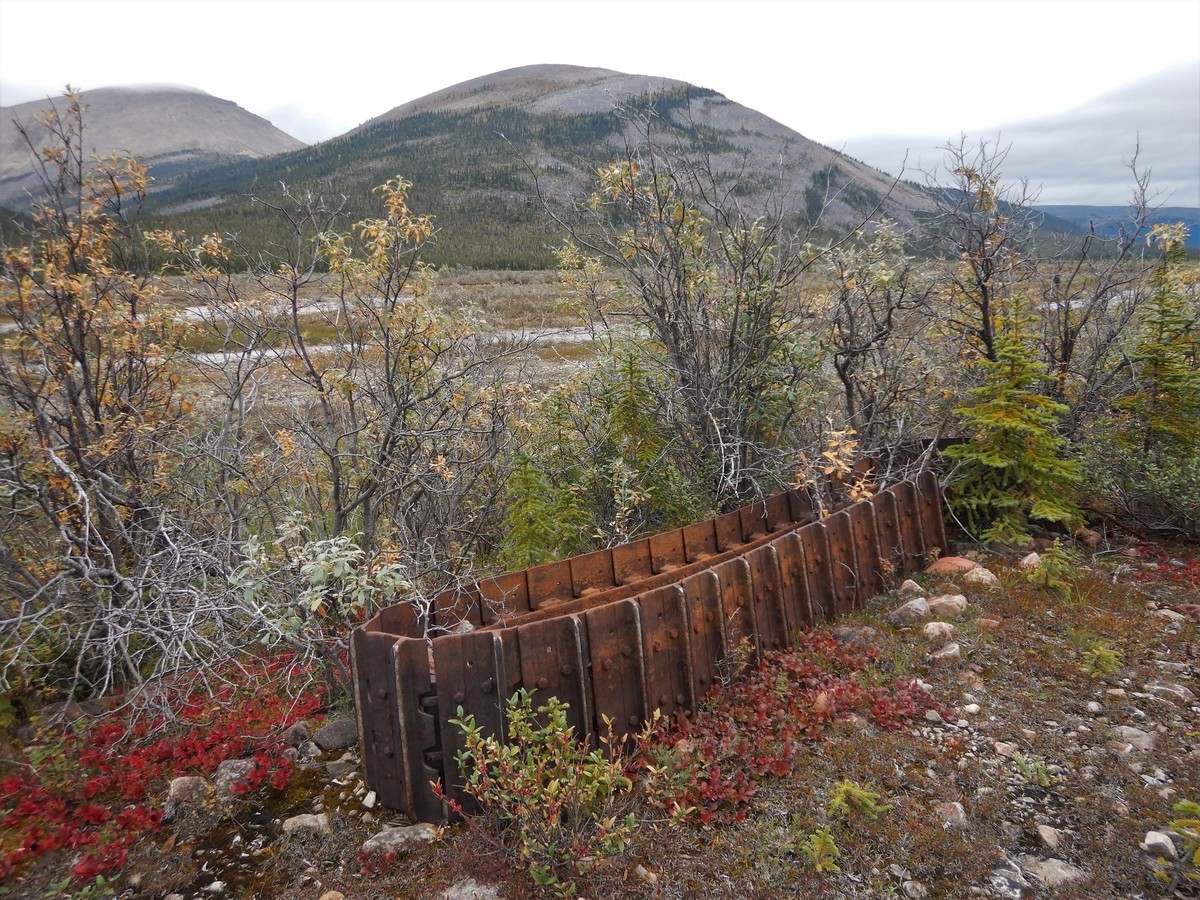
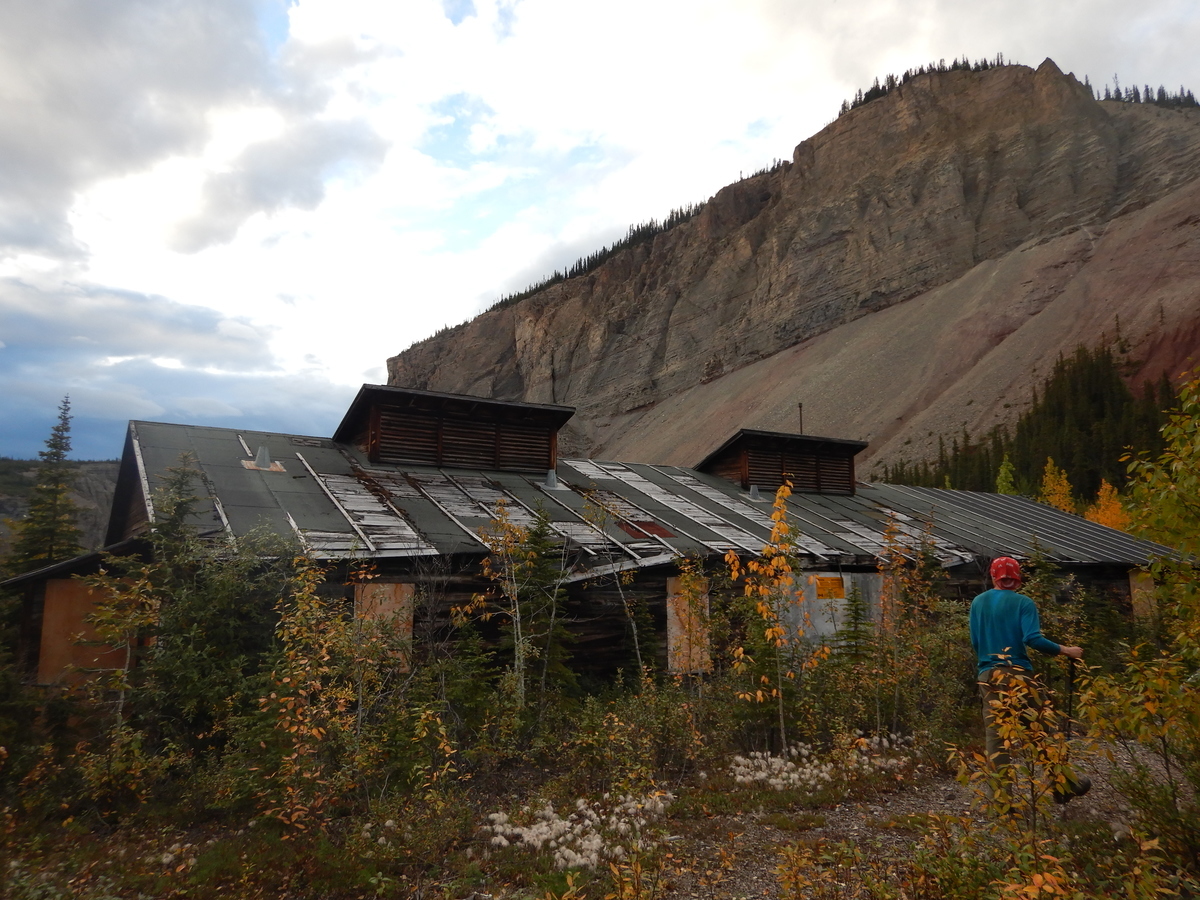
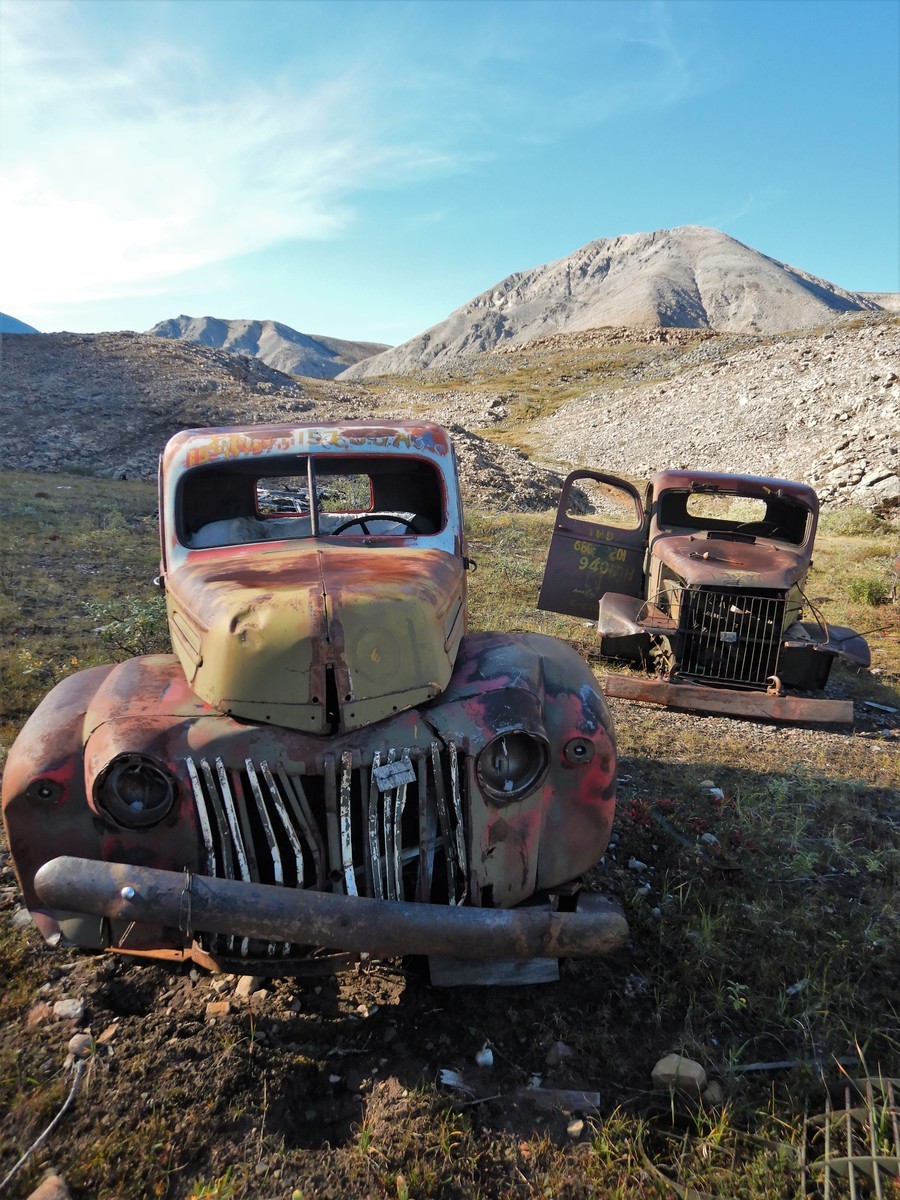
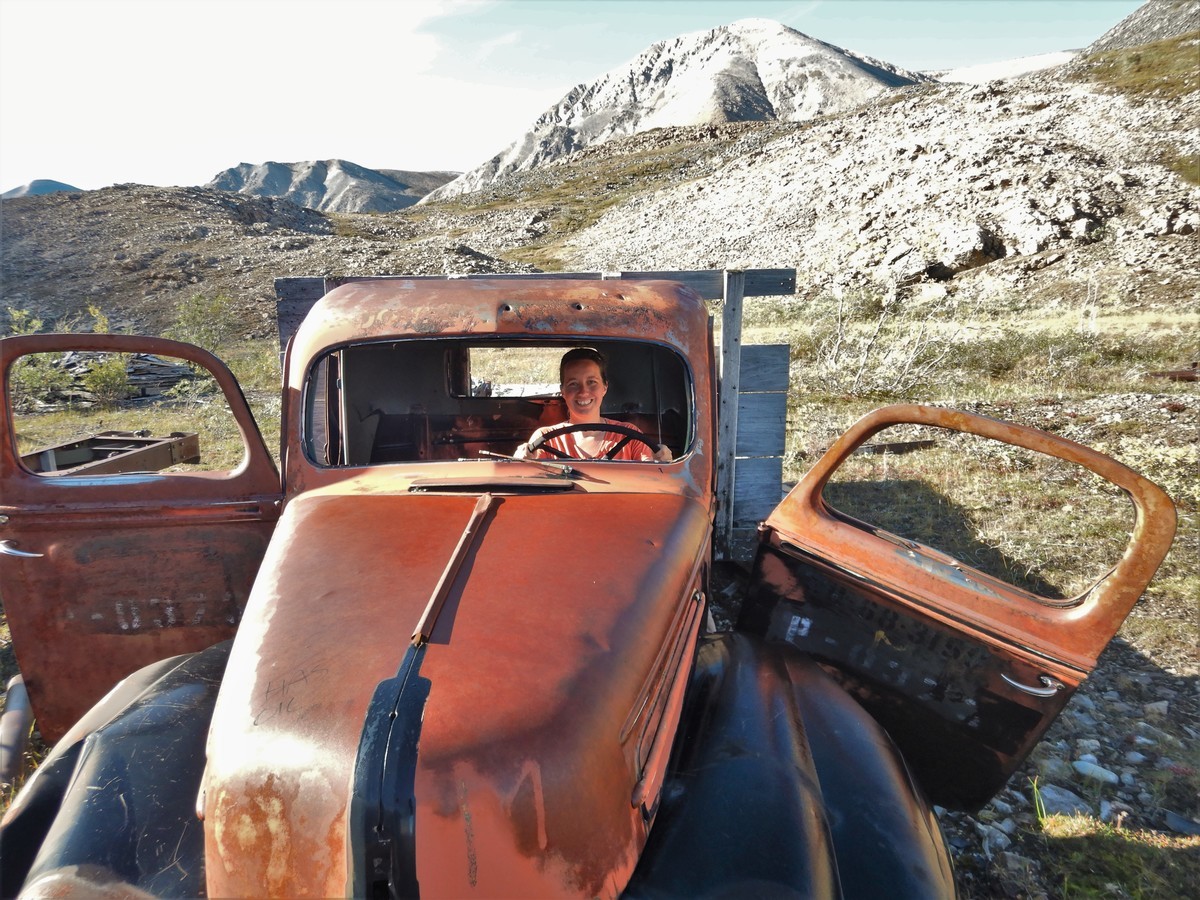
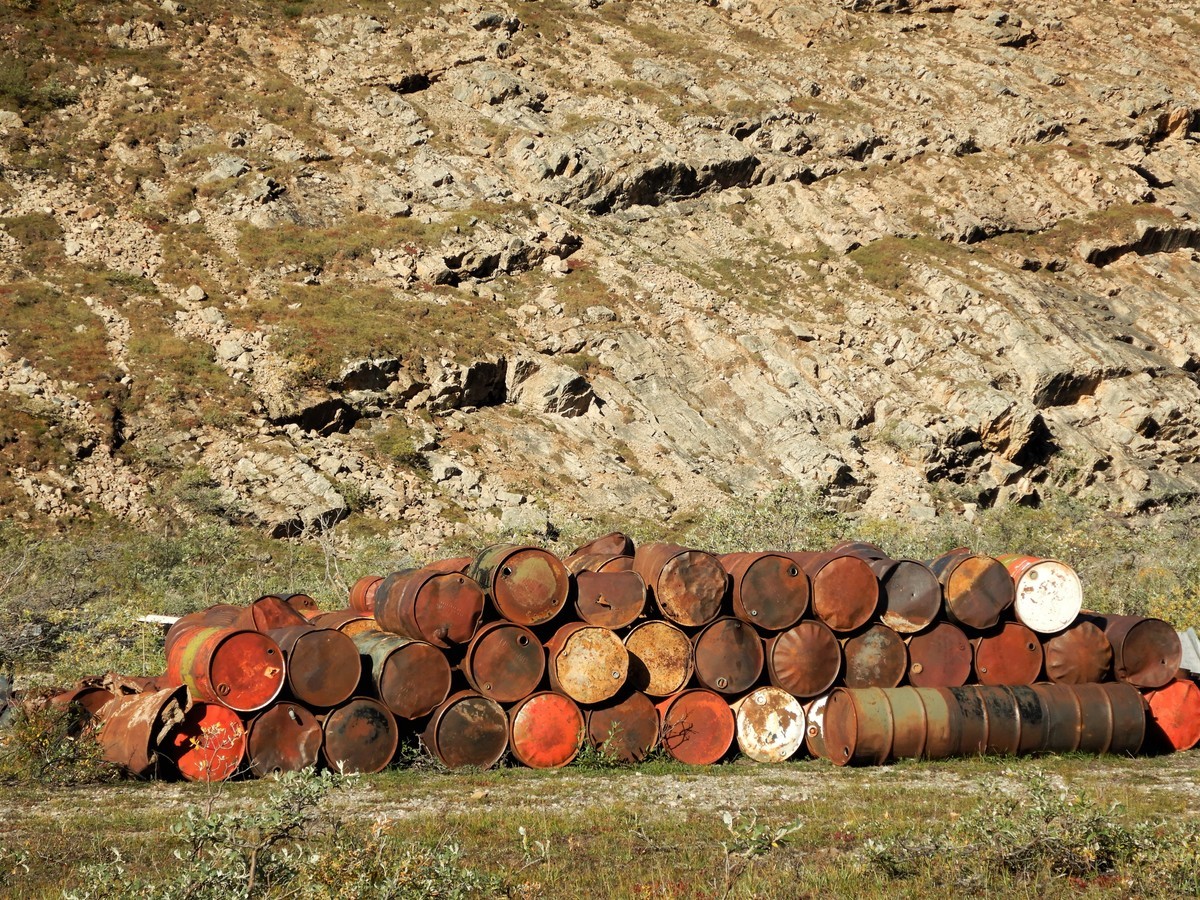
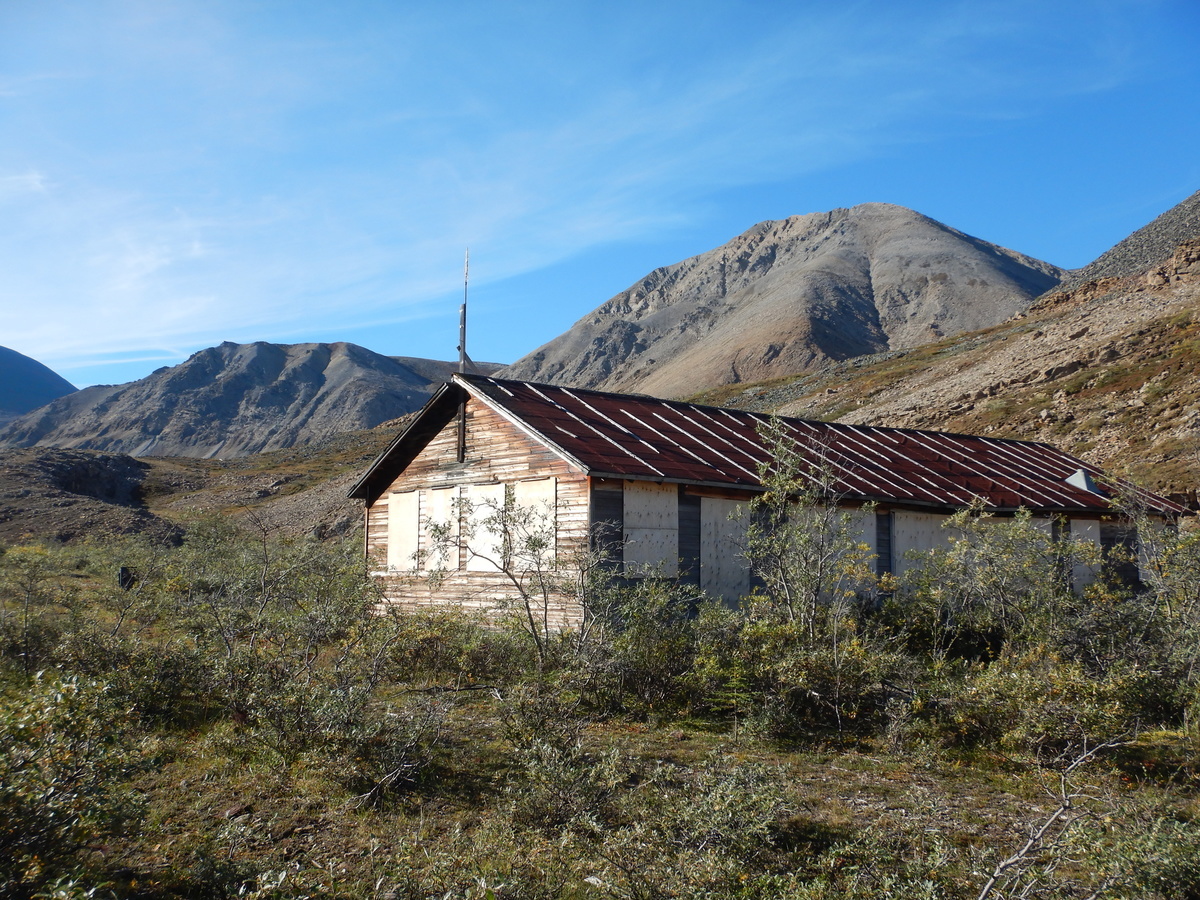
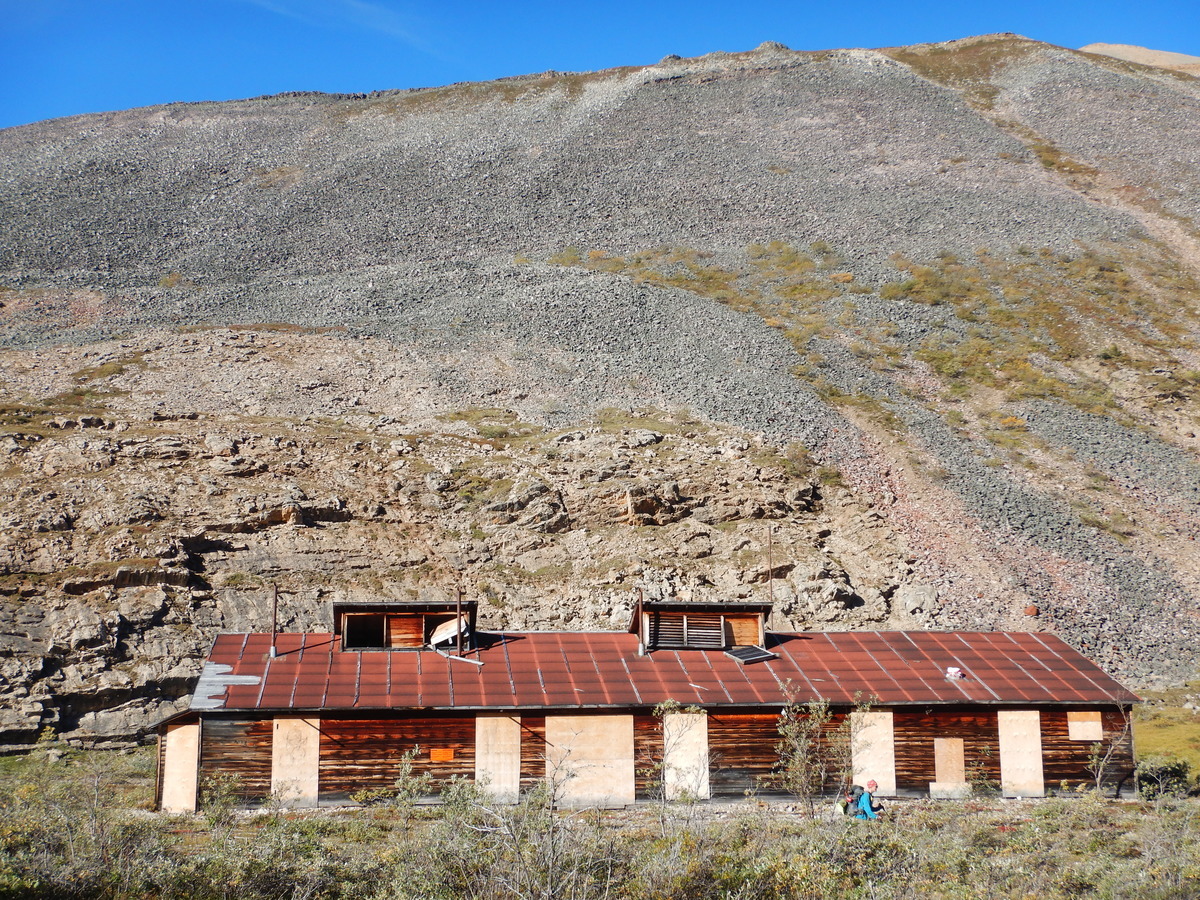
When WW2 ended, the US military up and left the CANOL road project, leaving behind all sorts of buildings and equipment. Hikers used to camp out in the old buildings, but they are now all boarded up due to asbestos and poor structural integrity after 75 years of abandonment.
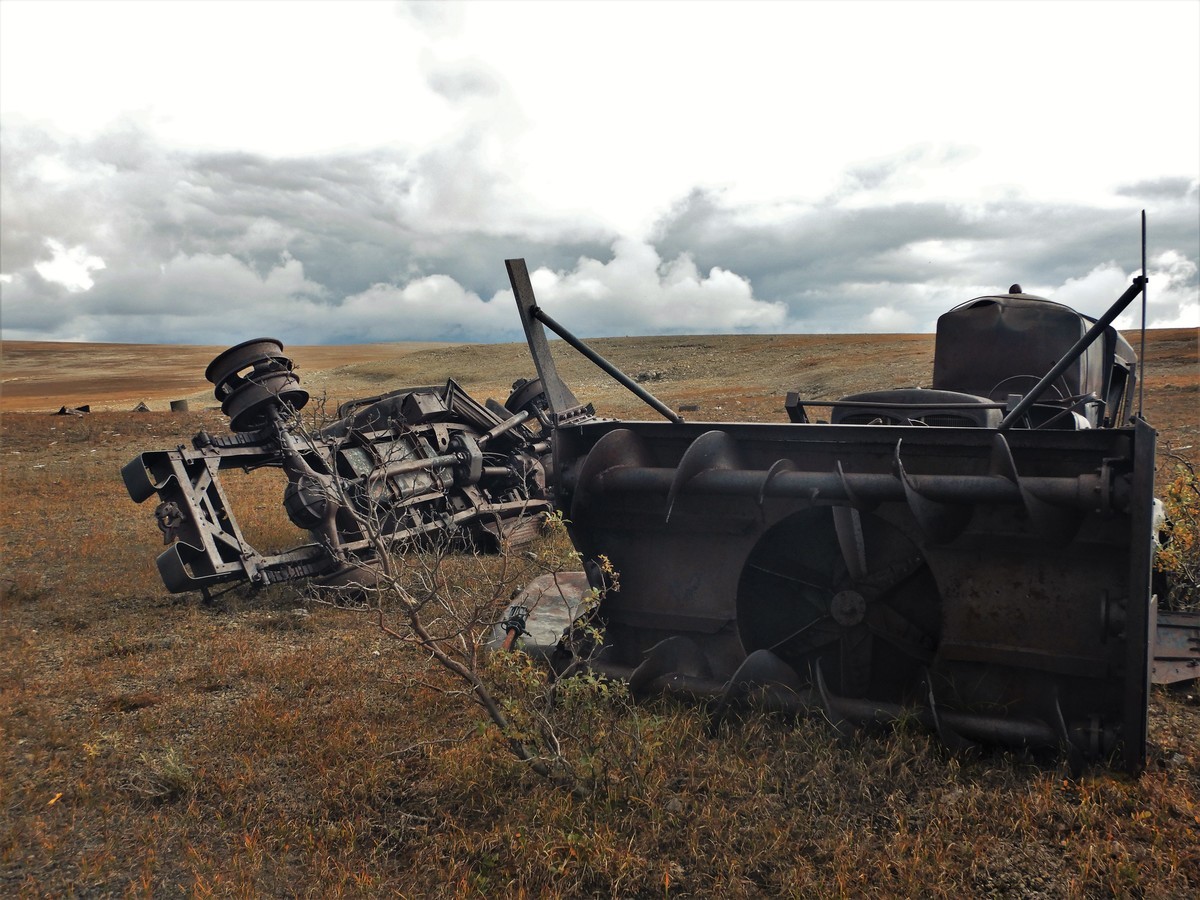
Snowblower on top of a mountain
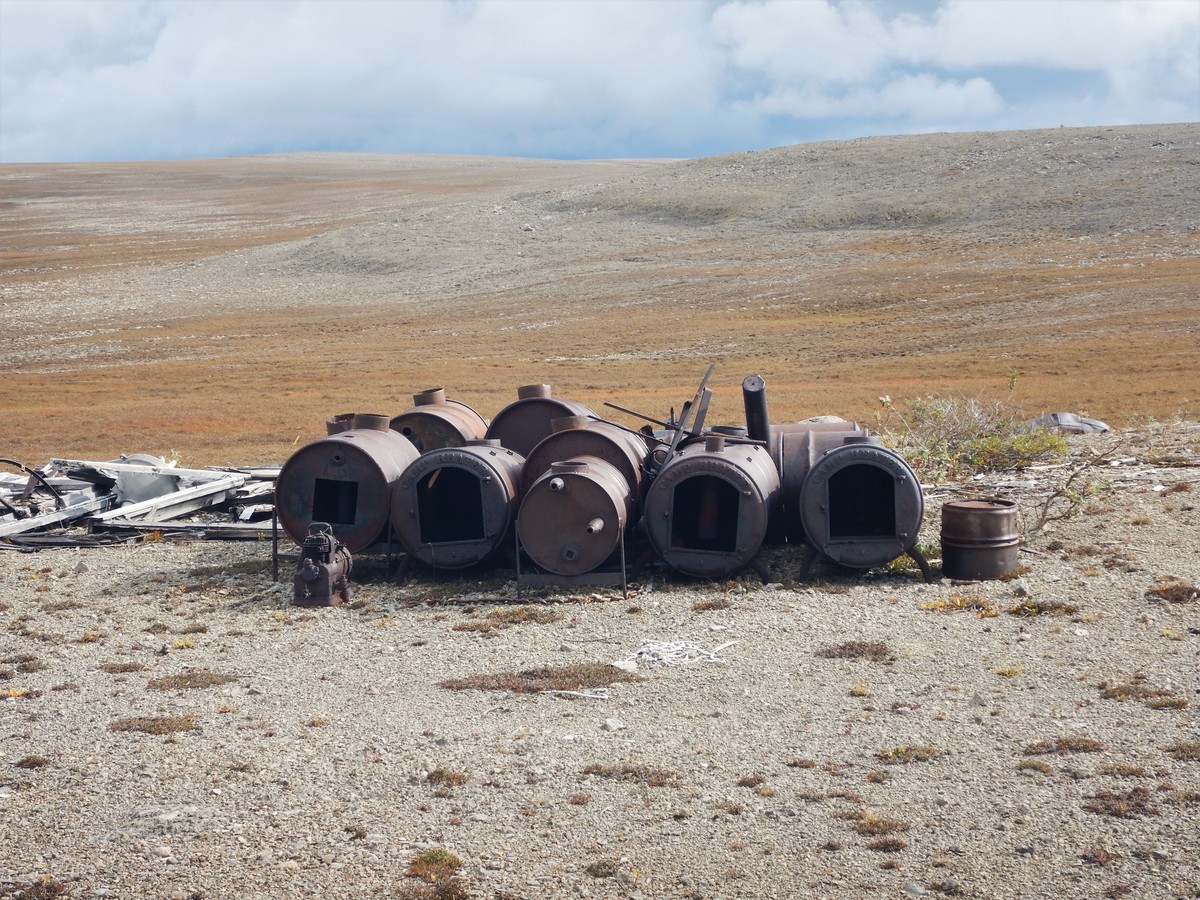
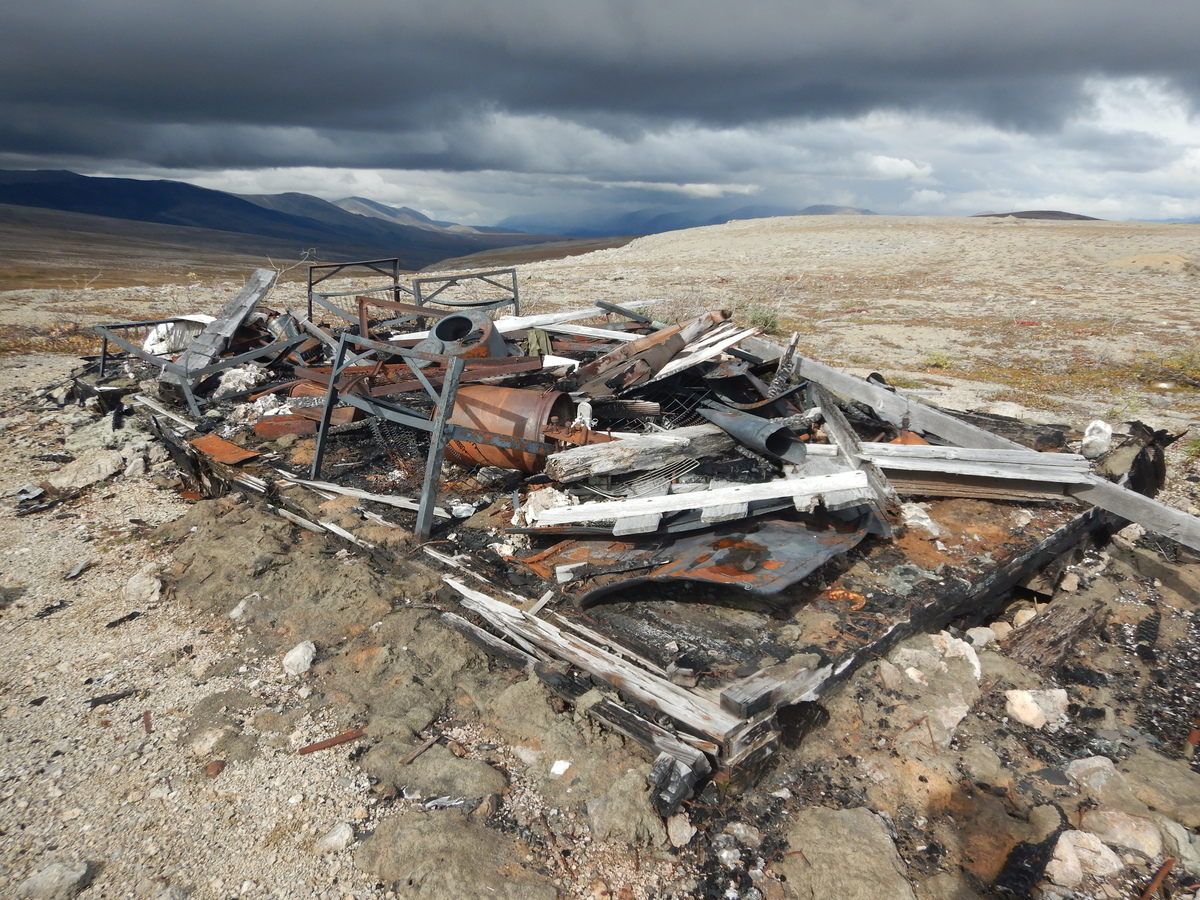
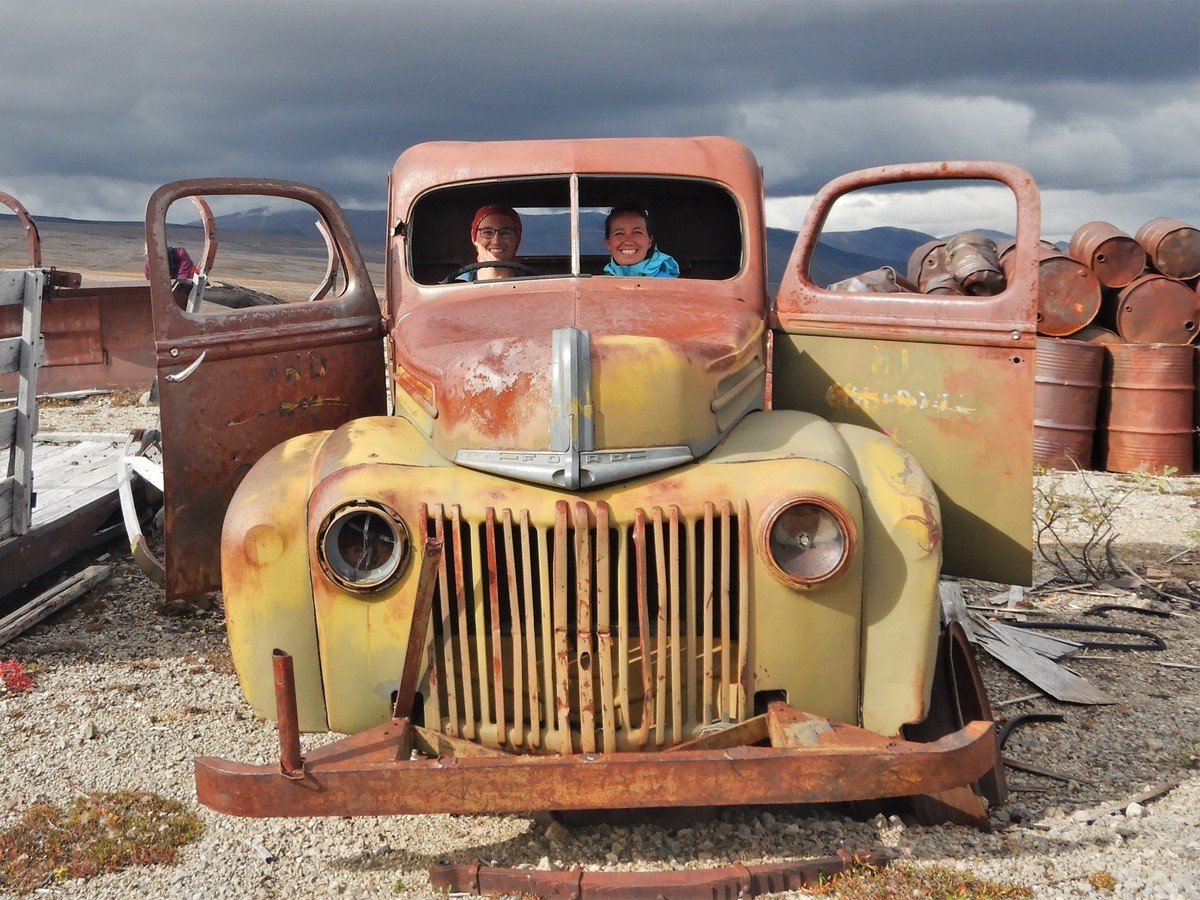
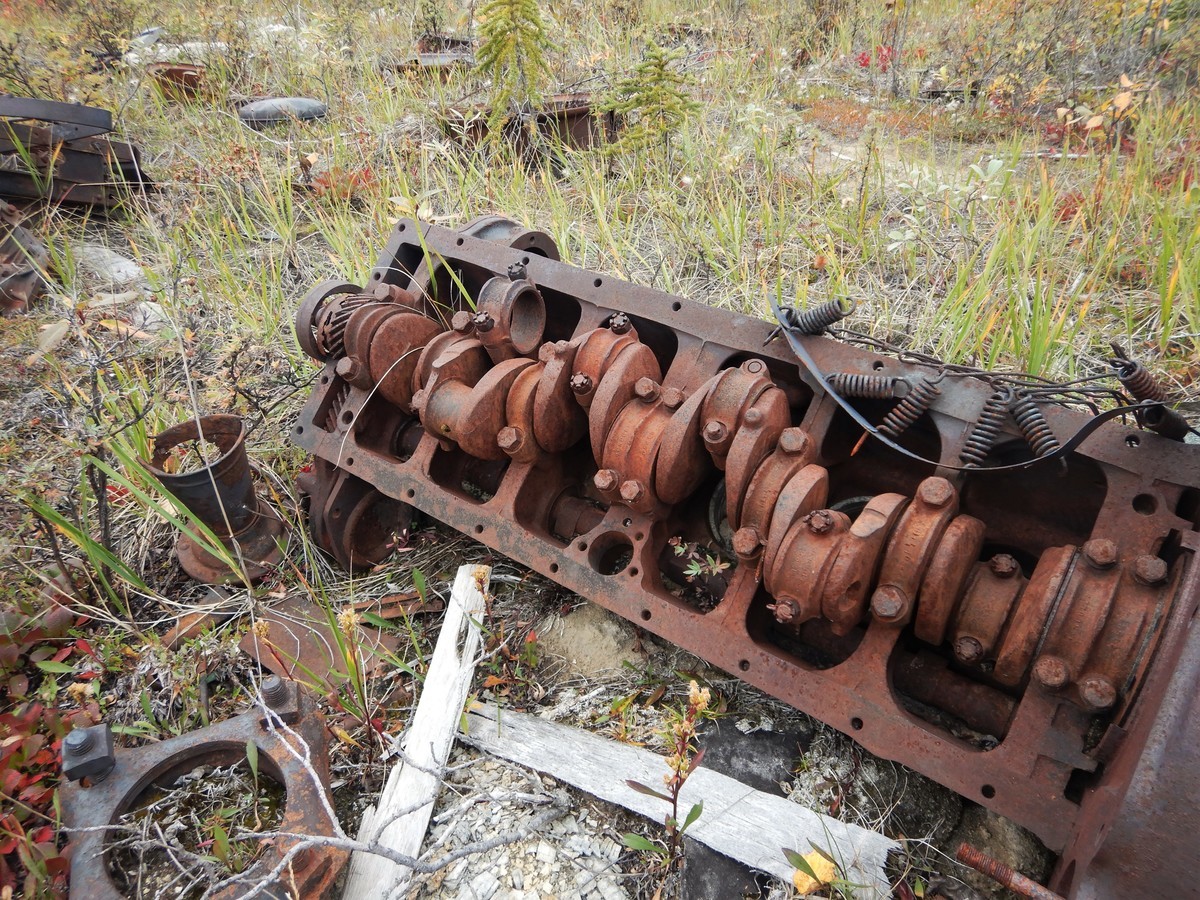
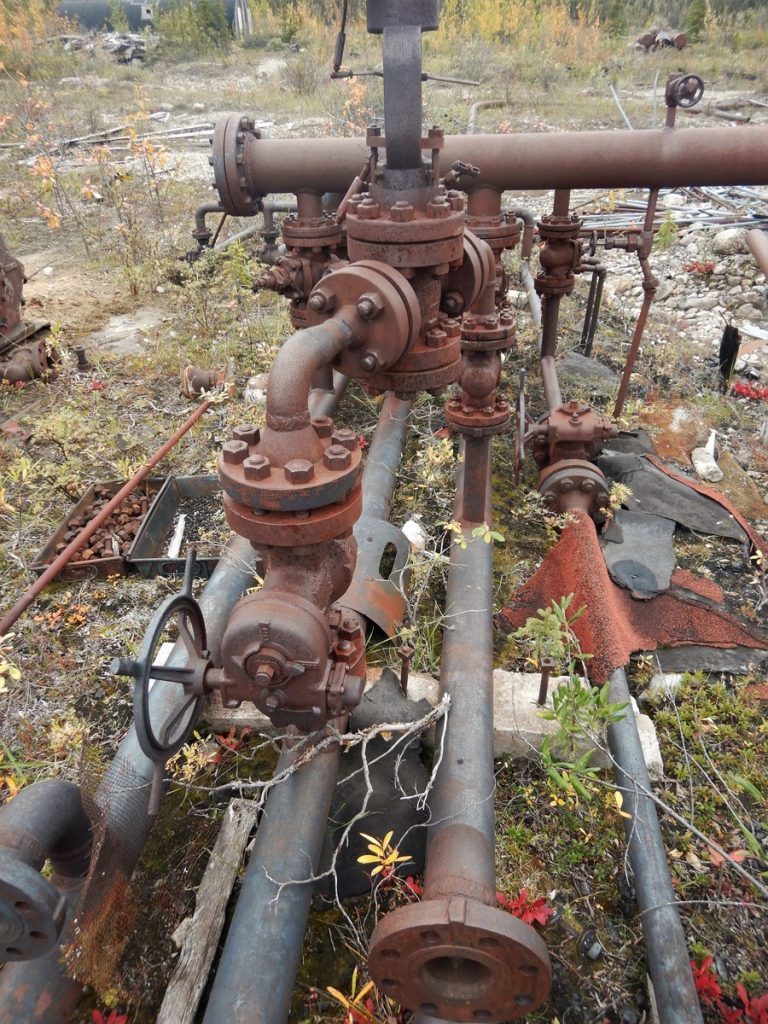
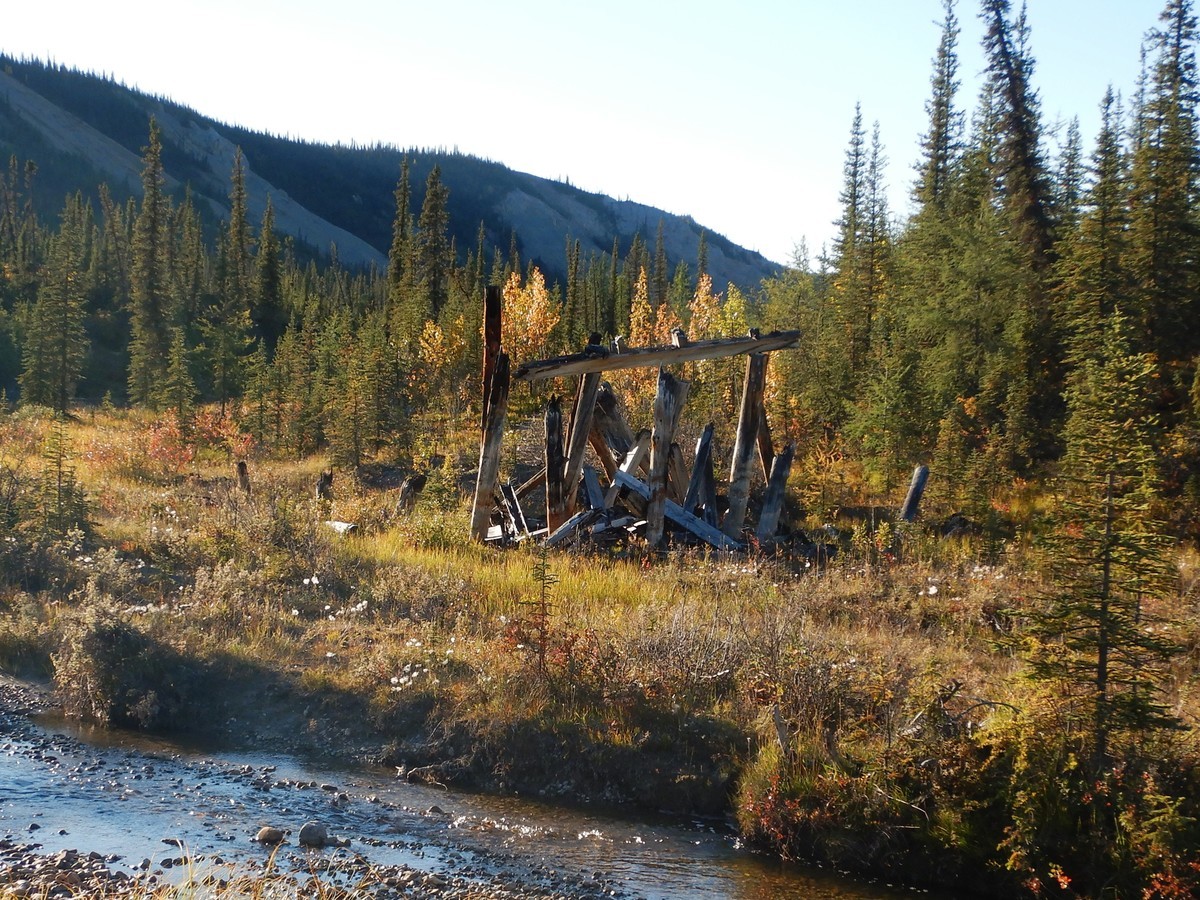
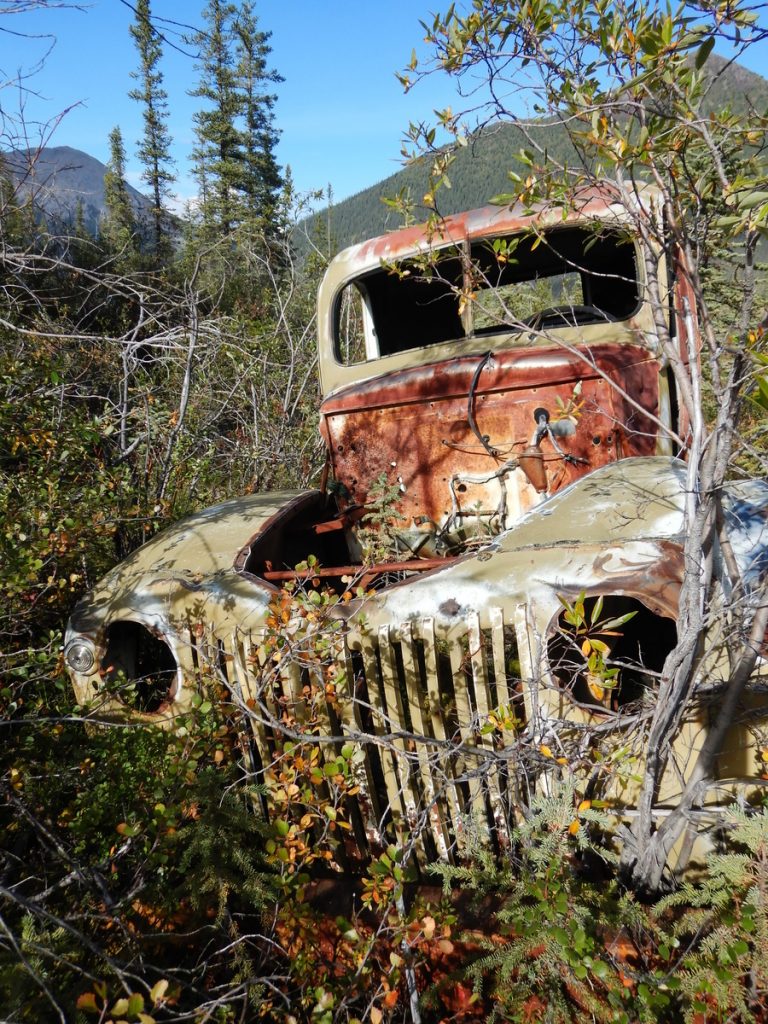
Until fairly recently, this was a cabinYou can still go in the vehicles… they generally don’t have seats thoughNot sure what this thing did…An old pipeline pump station
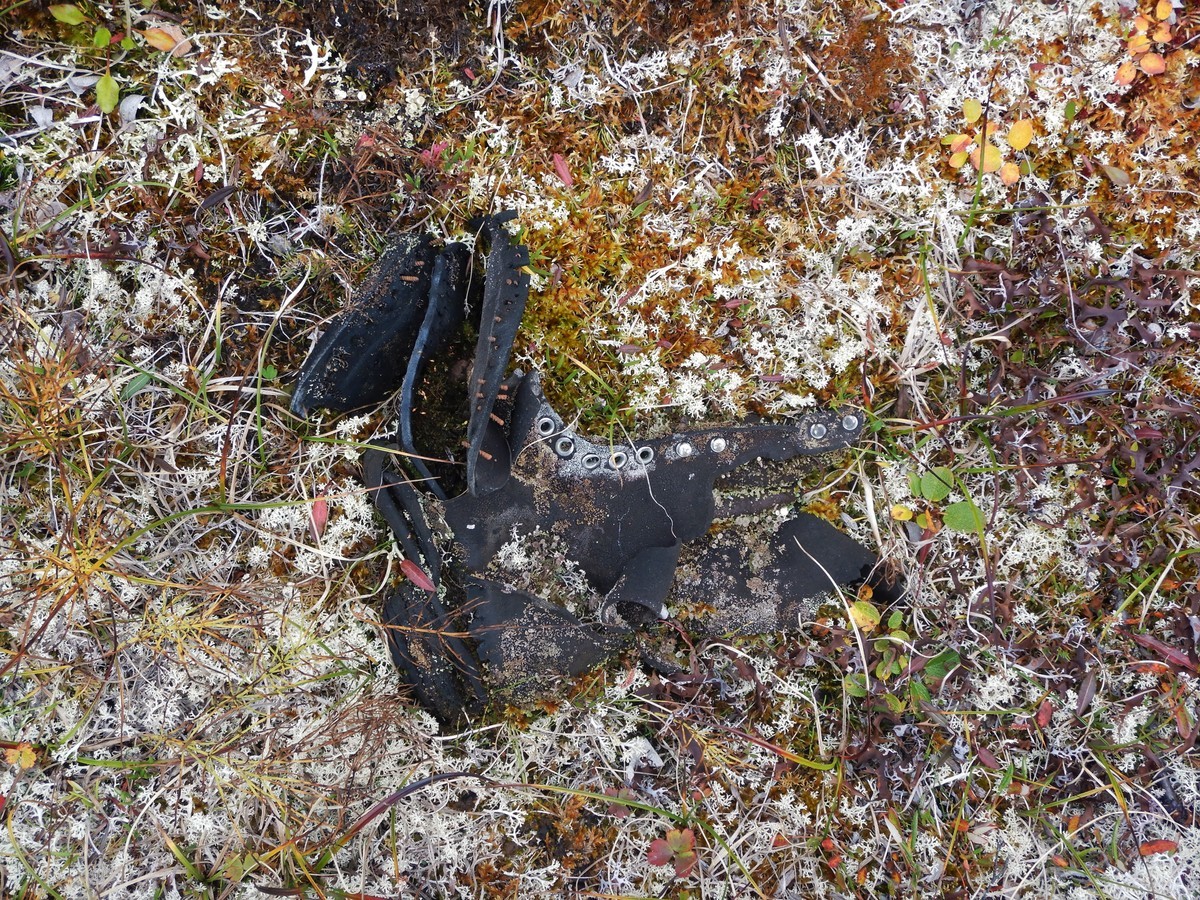
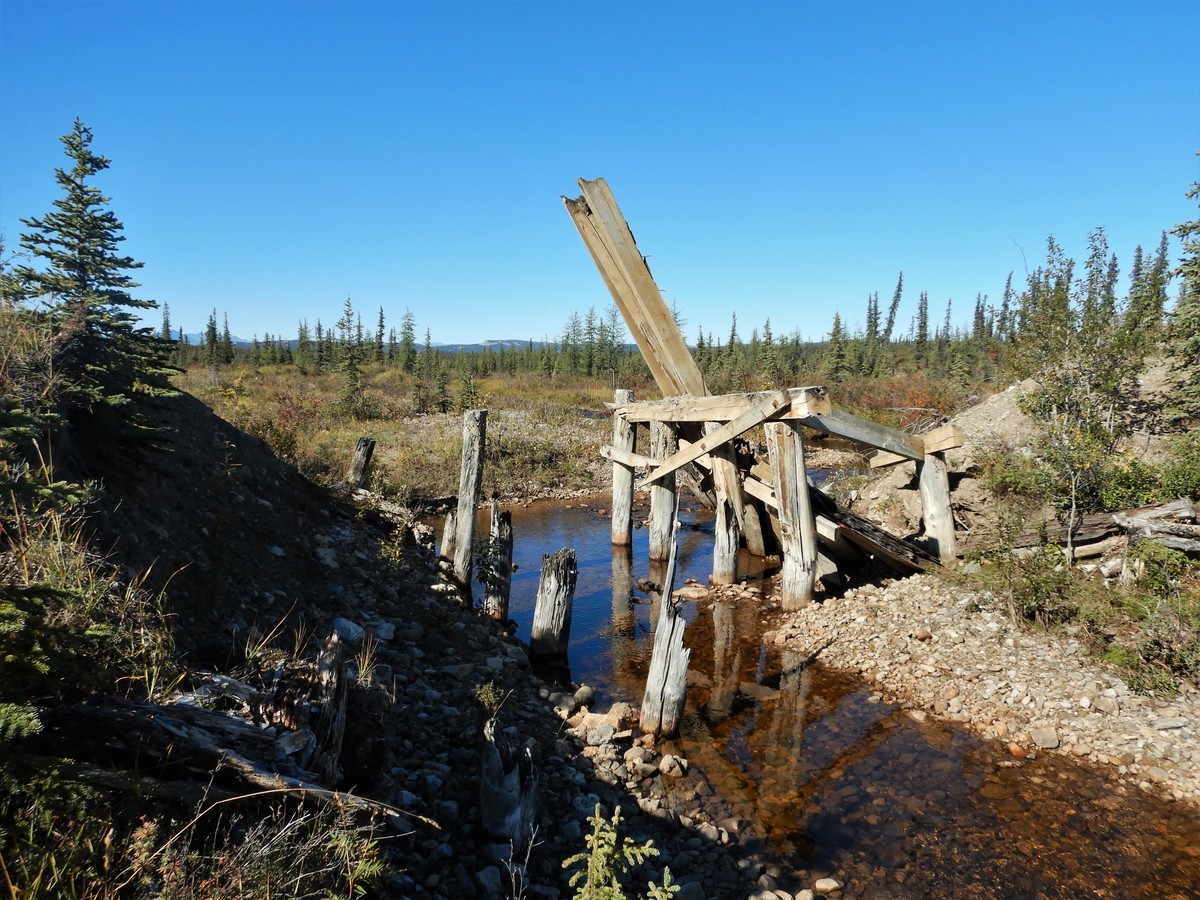
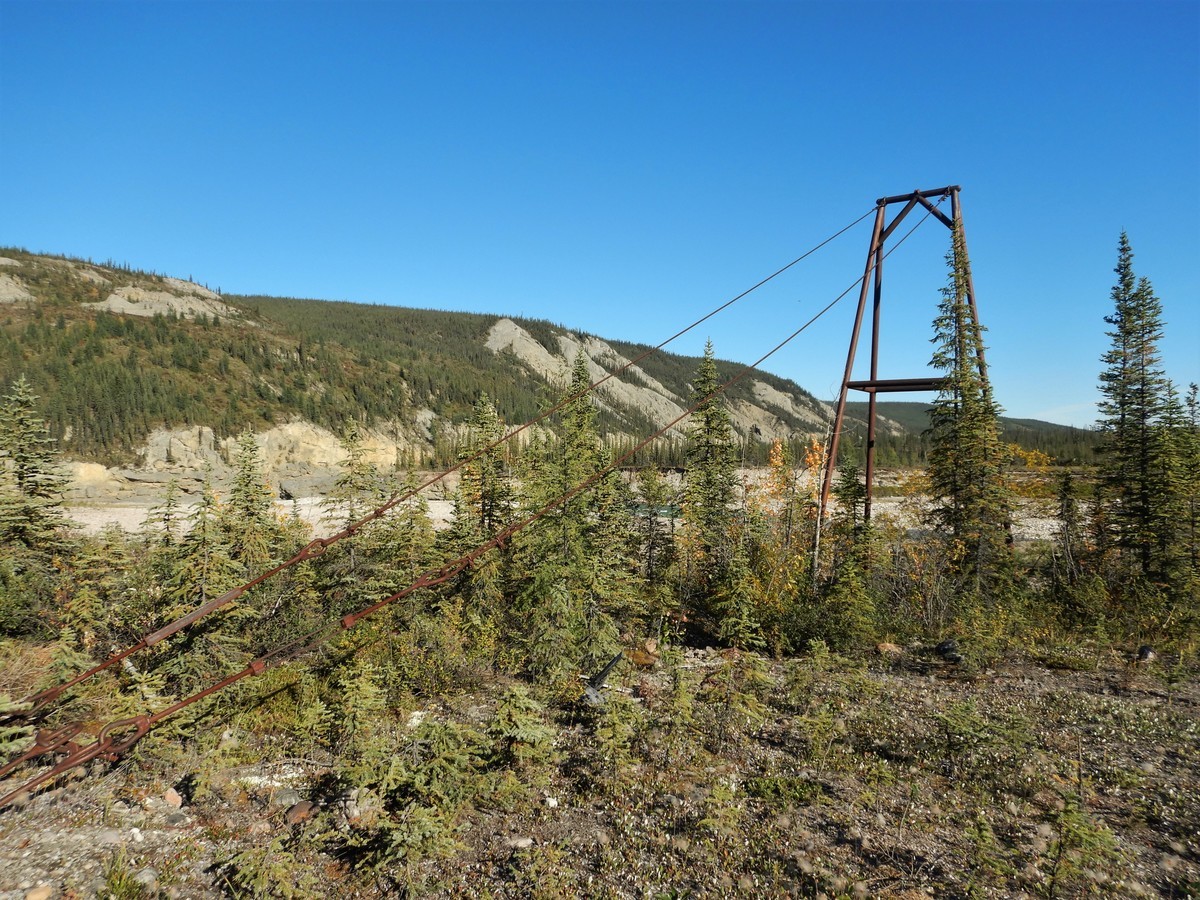
An old boot in the middle of the forestThere used to be bridges – none remain intactSurprisingly intact pipeline support infrastructure next to the Little Keele River
How old does garbage have to be before it’s considered an artifact?
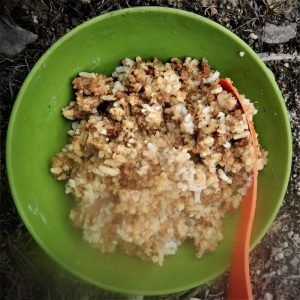
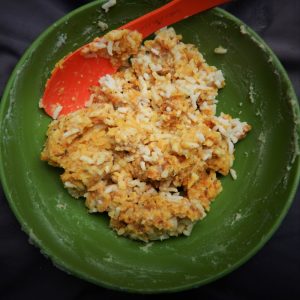
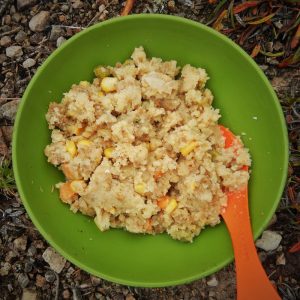
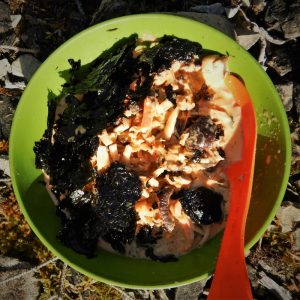
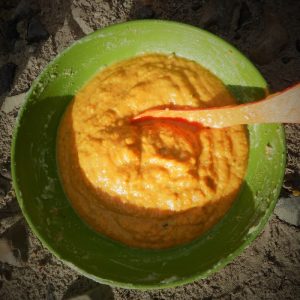
On our hike, we got to rehydrate and eat all of the food that we had lovingly dehydrated beforehand. Overall, most of the meals rehydrated pretty well, especially when we left them for a few hours in the food thermos for lunch. In particular, ground beef and corn benefited from longer rehydration times. Here were some of our best meals:
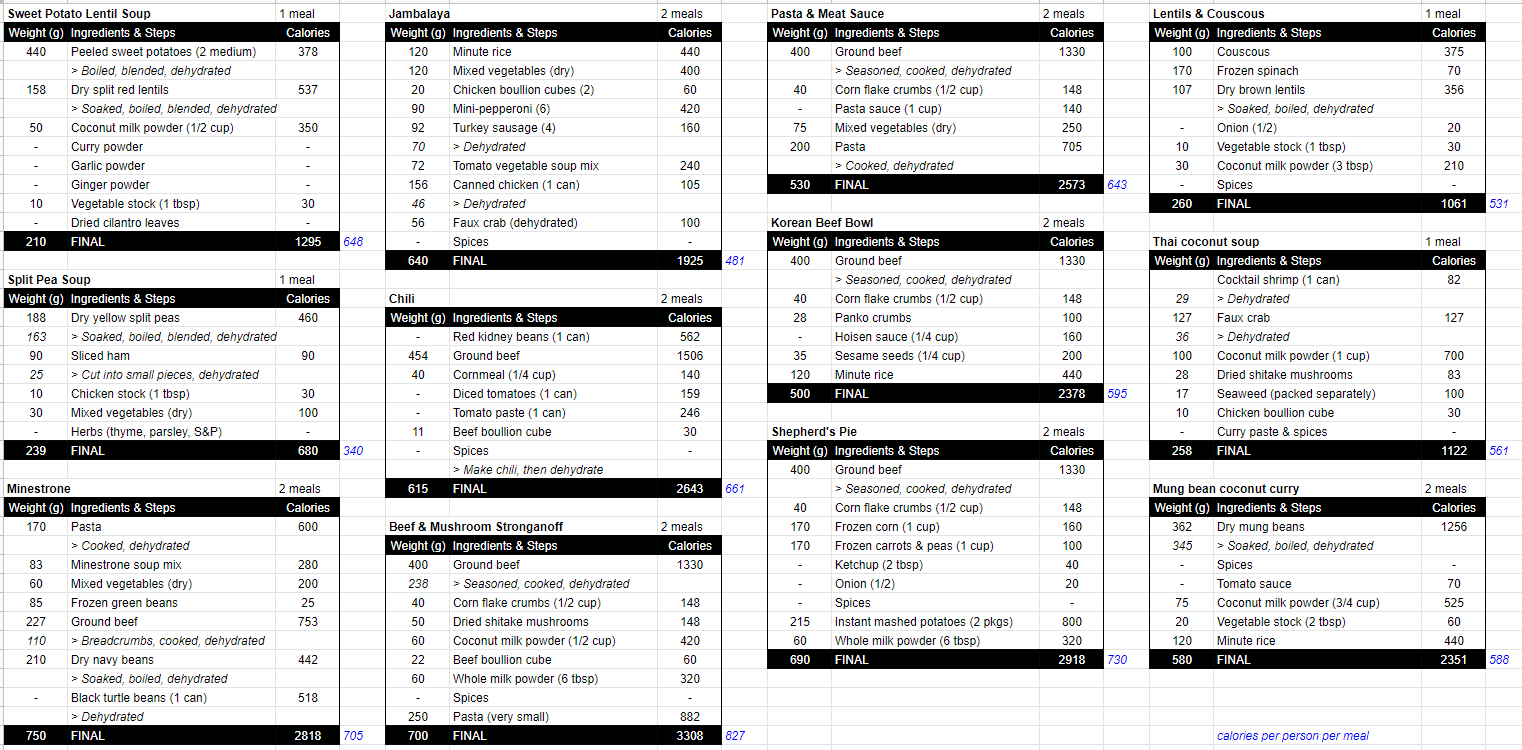
The chili and lentils with couscous were also quite good, but I didn’t take a photo. Here are the “recipes” for the meals I made:
For most meals, I didn’t manage to get the calorie density that I was hoping for following my round of experimentation, so the meals ranged from 3 calories/gram (jambalaya) to 6 calories/gram (sweet potato lentil soup), with most falling in the 4-5 calories/gram range. The split pea soup came in too low on caloric density so I didn’t end up bringing it on the trip.
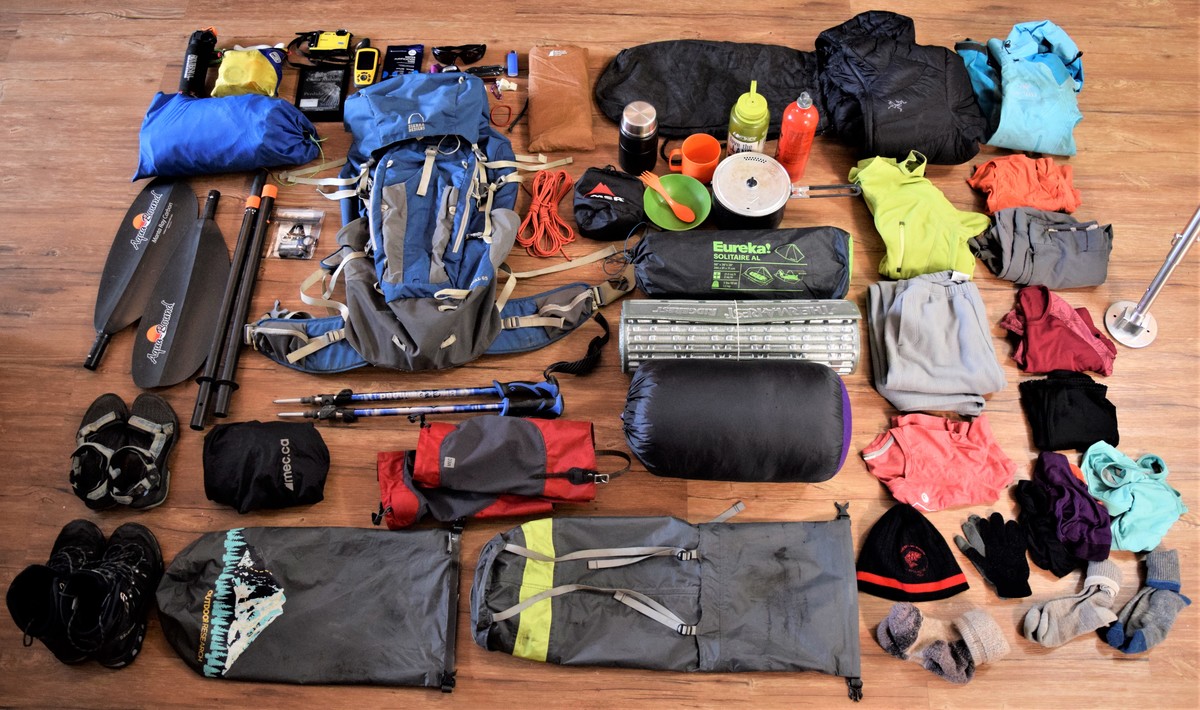
In addition to all the food prep that we did for our CANOL hike, we also had to assemble and pack all the gear that we would need for the duration of our trip. In addition to food, here’s a photo of everything I carried on the hike:
Bear spray
First aid kit (contents tailored for this specific trip)
Waterproof camera (Nikon COOLPIX W300)
E-reader loaded with books (Kobo)
inReach (satellite communication device)
Water purification tablets
Sunglasses
Headlamp (it was just starting to get dark at night)
Knife, small multi-tool, lighter, whistle
Hair elastic and lip chap
Small tarp
Paracord
Ursack (a bear-proof food bag)
White gas stove (MSR WhisperLite) and fuel
Food thermos for lunches
Pot, mug, bowl, spork
65 L backpack (a bit larger would have worked better)
Packraft (Alpacka Scout with inflation bag – in the blue bag) and repair kit
Paddle
Sandals
Hiking boots
Hiking poles
Pack rain cover
Gaiters
Drybag and compression drybag (both 15 L)
Sleeping bag (MEC Delphinus -9 C down)
Sleeping mat (the foam kind to save weight)
Tent (Eureka Solitaire AL)
Rain jacket (Arc’teryx)
“Dry” clothes, including down jacket, fleece sweater and pants, undershirt, hat, gloves, and socks
“Wet” clothes, including undershirt and pants, long-sleeved shirt and tights, socks, and underwear